
Do you want to apply for The Bennett Prize but are unsure where to start? Overwhelmed by what paintings to submit?
Here are 5 tips to curate your best submission for The Bennett Prize 5!
Tip #1: Read the rules
Many of the initial questions you may have can be answered on our website: thebennettprize.com. Visit the “Complete Rules for Entry” page on our website and carefully scrutinize them!
Also, keep these basic guidelines in mind as you look at your body of work and consider what to submit:
Tip #2: Be authentic and tell a story
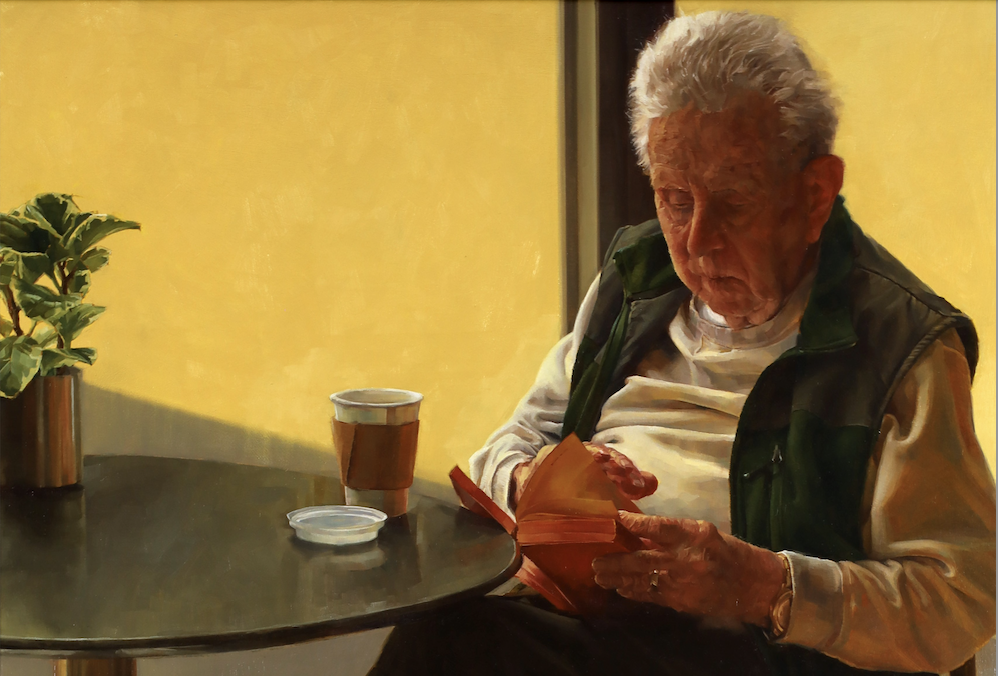
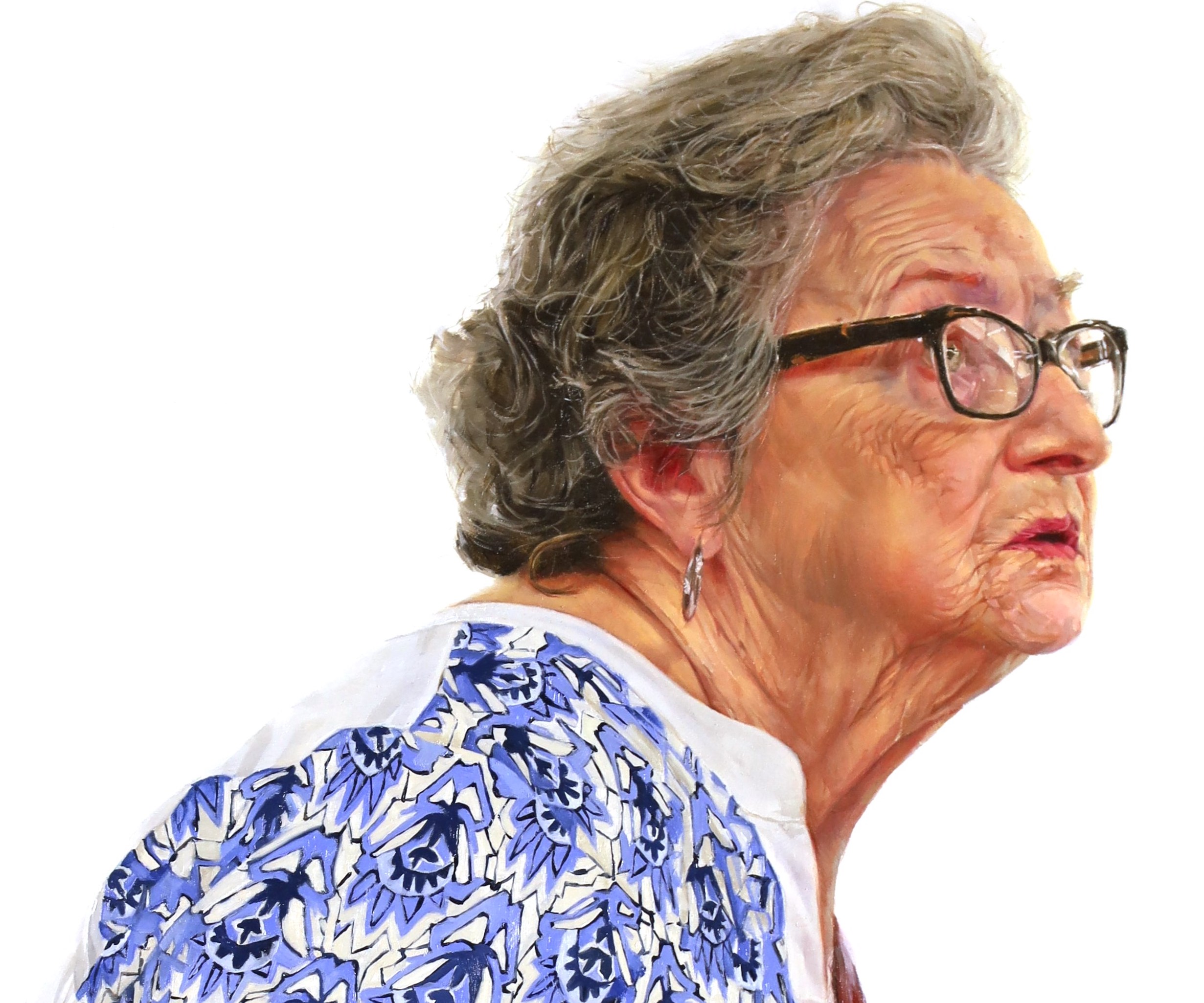
Jurors respond positively to paintings that tell a story and are cohesive. The story you tell should be unique to you as an artist and resonate with an audience. Your submitted works should elicit an intellectual or emotional response. If your submission is authentic and thought-provoking, you’re on the right track! For example, Bennett Prize 4 winner Amy Werntz’s work tells the forgotten or overlooked daily lives of the elderly. Initially inspired by her relationship with her grandmother, Werntz’s work evokes both an emotional response from the viewers, who recognize the experiences of their own elderly family members or friends in the paintings. She also raises the question of why the elderly are not depicted more often in artwork?
Tip #3: Avoid cliche subject matter
The Bennett Prize receives applications from many accomplished painters each round. However, no matter how talented you are, the use of commonplace subject matter in your work will not advance you in the competition. Artists should be mindful that their paintings need to stand out from comparable works that fill the pages of many nationally published artist magazines.
A few examples of overused subject matter:
Artists approaching these subjects need to challenge the convention in a unique way – revisiting the above listed subject with your own unique spin (again be authentic to you!) can create a winning submission! For example Bennett Prize Round 1 winner Aneka Ingold’s work is composed of women in historic clothing, women with animals, and nudes. However combining rather unconventional aspects of these categories (women from various historical periods or utilizing odd animals, such as tardigrades or trilobites) creates an unexpected and visually interesting narrative within her work. The viewer is confronted by Ingold’s work rather than comforted by subject matter they have seen before.

Tip #4: Make sure your subject matter, including nude figures, adds to your work
We are often asked if works submitted can contain nudity. Given the rich tradition of nudity in figurative art, paintings using the nude figure are welcome in Bennett Prize submissions. However, jurors believe that nudity, like any subject matter of a painting, should contribute to the thematic or narrative content of the work. When considering the use of the nude, artists should ask, “Is nudity necessary to the overall composition? Is it adding to the work’s intent?”
The Prize is directed to a broad public audience, so artists should not submit works depicting sex acts, nudity of minors/children, or nudity that suggests violence or exploitation.
Tip #5: Don’t change your style to match what you think jurors are looking for
If you visit all the artist profiles on our website, you’ll notice that The Bennett Prize supports a range of styles and subjects. Jurors look for craftsmanship and well-honed technical skills. Within an artist’s chosen visual approach (academic realism, photo-realism, impressionism, semi-abstraction, etc.), she should demonstrate the necessary drawing and painting ability to establish a cohesive, well-designed visual whole. Ultimately, the jurors want to see who you are as a figurative realist artist. Catering your submission to what you think the jurors want to see will be detrimental to your application.